

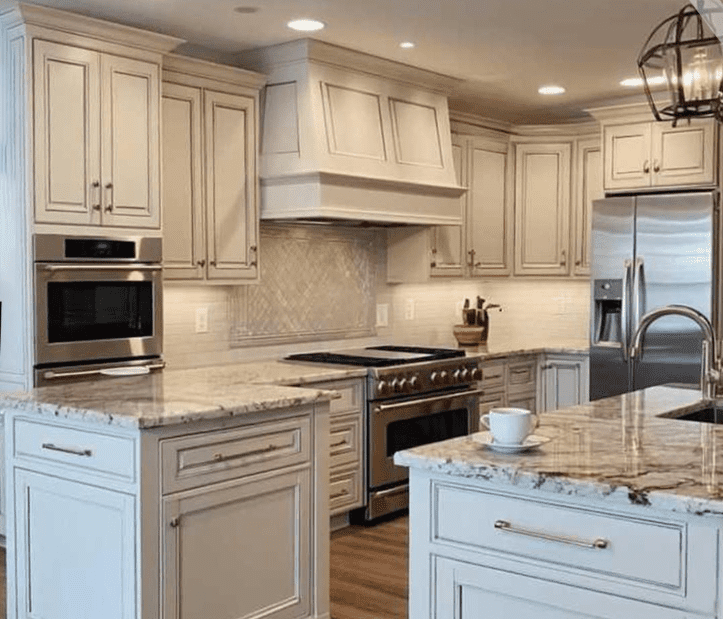
A kitchen backsplash does more than protect the wall behind your countertops. It can connect your cabinets, countertops, and fixtures into a cohesive design while making everyday cleanup easier. For homeowners planning a kitchen remodel in Orange County, the right backsplash can add character without sacrificing durability or practicality.
Although classic subway tile remains a popular choice, modern kitchen backsplash ideas include large-format porcelain, full-height slabs, textured tile, glass, and carefully selected natural materials. The best option depends on your kitchen layout, budget, cooking habits, and the overall look you want to achieve.
In this guide, World of Remodeling & Construction Inc. explores backsplash materials, patterns, colors, installation considerations, and practical tips to help you plan a kitchen that looks good and works well.
Best Materials for a Modern Kitchen Backsplash
Choosing a backsplash material involves more than appearance. Consider cleaning requirements, moisture exposure, heat near cooking appliances, installation complexity, and compatibility with your countertop.
1. Porcelain and Large-Format Tile
Porcelain tile is a versatile choice for contemporary kitchens. It is available in a wide range of colors, patterns, and finishes, including designs that resemble natural stone.
Large-format tiles can reduce the number of grout joints, creating a cleaner visual appearance. However, they require a suitable substrate, careful layout, and precise installation to achieve an even finish.
Porcelain can work well in kitchens with minimalist cabinets, modern fixtures, or stone-look countertops.
2. Full-Height Stone and Porcelain Slabs
A slab backsplash creates a continuous surface with fewer or no visible grout joints across the main area. Materials may include natural stone, engineered quartz, or large-format porcelain panels, depending on the application.
A slab can coordinate with the countertop to create a unified look, particularly in kitchens with simple cabinet fronts and restrained colors.
Before selecting a slab, consider material cost, weight, fabrication, seams, edge details, and installation requirements. Natural stone may also require specific care or sealing, depending on the stone and finish. Confirm that the selected material is suitable for the intended location, especially behind cooking appliances.
3. Glass Tile and Glass Panels
Glass backsplashes reflect light and can help a kitchen feel brighter. Options range from small mosaic tiles to larger panels with a smooth, uninterrupted appearance.
Glass is available in clear, colored, and textured designs. Its suitability depends on the product specifications and installation method. Near a cooktop, use only glass products approved for the intended heat exposure.
Consider how the glass color will work with the cabinets, countertops, lighting, and other reflective surfaces in the room.
4. Stainless Steel
Stainless steel provides a clean, contemporary appearance and is commonly associated with professional kitchens. It is particularly useful for homeowners who prefer a simple, functional surface.
Stainless steel is generally easy to wipe clean, but fingerprints, scratches, and water marks may be visible depending on the finish. Installation details matter around outlets, corners, and countertop edges.
Verify the manufacturer’s requirements for clearance and heat exposure before installing stainless steel behind a range or cooktop.
5. Ceramic Tile and Handmade-Look Tile
Ceramic tile offers flexibility in color, size, pattern, and price. It can be used for traditional kitchens as well as contemporary designs.
Handmade and Zellige-inspired tiles are popular design choices for homeowners who want variation in color, surface texture, and light reflection. Their irregular edges and subtle differences can give a backsplash a distinctive appearance.
Because handmade-look tile may have uneven surfaces and dimensions, discuss grout width, layout, and cleaning expectations with your installer before choosing a product.
6. Engineered Quartz
Engineered quartz may be used for a coordinated countertop and backsplash design when the selected product is suitable for the application. Matching surfaces can create a consistent appearance and reduce visual interruptions.
Quartz products vary in composition and performance. Follow the manufacturer’s guidance for heat exposure, cleaning, fabrication, and installation. Do not assume that every countertop material is automatically appropriate behind every cooking appliance.
7. Wood-Look and Natural Wood Accents
Wood introduces warmth and contrast into a modern kitchen. However, ordinary wood is not suitable for every backsplash location because it can be affected by moisture, heat, and cleaning products.
If you like the appearance of wood, consider wood-look porcelain tile or another product specifically designed for the intended environment. Where real wood is considered, confirm its suitability and required protection before installation, particularly near sinks and cooking areas.
Modern Kitchen Backsplash Designs and Patterns
The layout and pattern of a backsplash can change how a kitchen feels. A simple tile may look distinctive when installed in an unexpected arrangement, while a dramatic material may work best with a restrained pattern.
Vertical Stack
Rectangular tiles installed vertically create a clean, contemporary appearance. Depending on the tile size and surrounding design, vertical lines may draw the eye upward and emphasize the height of the wall.
This arrangement can work well with simple cabinetry and narrow grout joints.
Herringbone and Chevron
Herringbone and chevron patterns introduce movement and visual interest. They can make a backsplash a focal point without requiring a highly contrasting color.
These patterns involve more layout and cutting than a basic grid, so installation cost and material waste may be higher. Ask for a layout plan before work begins.
Geometric and Mosaic Tile
Hexagons, small mosaics, and other geometric shapes can add detail to a contemporary kitchen. They are useful when you want texture or a decorative feature without covering the wall in a large, bold pattern.
Small tiles create more grout joints, which may require additional cleaning. Consider the tile’s finish, grout color, and maintenance requirements together.
Textured and Handmade-Look Surfaces
Subtle variations in glaze and texture can create depth as light moves across the backsplash. This approach works particularly well when the cabinets and countertops are relatively simple.
Before selecting textured tile, check whether the surface can be cleaned easily, especially in areas directly behind the range or near food-preparation surfaces.
Minimalist Slab Designs
A large slab can make a strong visual statement without an intricate pattern. This approach is often suited to kitchens with simple cabinets, restrained hardware, and coordinated countertops.
Plan the placement of seams, outlets, and any changes in the wall surface before fabrication. These details can significantly affect the final appearance.
Modern Kitchen Backsplash Colors
Color should be considered alongside cabinet finishes, countertop patterns, flooring, lighting, and the amount of natural light in the kitchen.
Warm Neutrals
Cream, warm white, beige, and soft taupe create a calm backdrop for a wide range of cabinet styles. These colors can also complement natural wood and stone-look finishes.
Black, Charcoal, and Deep Blue
Darker backsplashes provide contrast and can create a dramatic focal point. They may work particularly well with light cabinets or warm metallic accents.
Check samples under the kitchen’s actual lighting conditions. Dark, glossy, or highly reflective finishes may look different in daylight than they do under artificial lighting.
Green and Earth-Inspired Colors
Muted green, clay, and other earth-inspired tones can introduce color without overwhelming the room. They pair well with natural textures and understated cabinet finishes.
Classic Black and White
Black-and-white combinations remain versatile because they can suit both traditional and modern kitchens. The overall effect depends on the pattern, grout color, cabinet style, and countertop selection.
Choosing a Backsplash for Gray Cabinets
Gray cabinets can work with white, cream, charcoal, muted green, wood-look, or stone-inspired backsplashes. The best choice depends on whether the cabinet gray is warm or cool and how much contrast you want.
Bring cabinet and countertop samples when comparing backsplash options. A sample viewed separately may look different beside the actual finishes.
Backsplash Height and Layout Options
The height of a backsplash affects the appearance of the kitchen and the amount of wall protection it provides.
Countertop-to-Cabinet Backsplash
A standard backsplash area between the countertop and upper cabinets is a practical option for many kitchens. It can be finished with ceramic tile, porcelain, glass, or another suitable material.
The layout should account for outlets, cabinet edges, corners, and transitions between different wall surfaces.
Full-Height Backsplash
A full-height backsplash extends beyond the typical countertop-to-cabinet area. Depending on the design, it may continue to the ceiling or cover an entire feature wall.
This can make a kitchen feel more cohesive, particularly when using a large slab or a consistent tile pattern. It may also require more material, fabrication, and installation work.
Backsplashes Around Windows
A backsplash can continue around a kitchen window to create a more unified wall design. This requires careful planning around window trim, corners, and the sill.
Before installation, confirm that the selected material and detailing are appropriate for the window area and any moisture exposure.
Backsplash Design Behind a Range
The wall behind a range or cooktop may be exposed to grease, moisture, and heat. Choose materials suitable for the specific appliance and follow the appliance and material manufacturers’ installation requirements.
Consider ease of cleaning, grout selection, seams, and the location of nearby cabinets. Do not rely on appearance alone when selecting a surface for this area.
How to Choose the Right Kitchen Backsplash
Use the following comparison to evaluate modern kitchen backsplash materials. Actual cost and performance depend on the specific product, installation details, and condition of the existing wall.
| Material | Main advantages | Important Considerations |
| Ceramic tile | Many colors and styles; often budget-friendly | Grout maintenance and tile quality |
| Porcelain tile | Durable options; broad range of designs | Substrate preparation and precise installation |
| Natural stone | Distinctive natural patterns | Cost, maintenance, and possible sealing |
| Engineered quartz | Coordinated slab appearance | Product-specific heat limits and installation requirements |
| Glass | Reflective appearance; smooth surfaces available | Heat suitability, visible marks, and installation |
| Stainless steel | Contemporary look; easy surface cleaning | Fingerprints, scratches, and detailing |
| Wood-look porcelain | Warm appearance with a tile surface | Pattern selection and grout maintenance |
Before making a final decision, consider these questions:
- Does the material suit the way you cook and clean?
- Will it work with your countertop and cabinet finishes?
- Is it suitable for the heat and moisture in the intended location?
- How much cutting, fabrication, and preparation will installation require?
- Does the project involve replacing existing tile or repairing the wall behind it?
- Will outlets, cabinets, windows, or other features affect the layout?
Kitchen Backsplash Installation: What Homeowners Should Know
Even a high-quality material can look disappointing if the wall preparation or installation is poor. A successful backsplash project begins with an inspection of the existing surface and a clear plan for the finished layout.
For additional guidance on tile installation standards and industry practices, visit the Tile Council of North America at https://tcnatile.com/.
Important installation considerations include:
- Wall preparation: The substrate must be suitable, clean, stable, and properly prepared for the selected material.
- Layout and alignment: Tile lines, grout joints, corners, outlets, and cabinet edges should be planned before installation.
- Material compatibility: Use the appropriate setting materials, grout, sealants, and installation methods for the product and location.
- Moisture protection: Areas exposed to water require appropriate detailing and protection for the specific application.
- Heat exposure: Follow product and appliance requirements for backsplashes near ranges and cooktops.
- Finishing details: Plan edges, transitions, seams, and outlet cutouts for a neat, consistent result.
If the backsplash is part of a larger kitchen renovation, coordinate its installation with countertop replacement, cabinet work, plumbing, and electrical work. Planning the sequence in advance can reduce rework and help the finished surfaces align correctly.
Frequently Asked Questions About Modern Kitchen Backsplashes
What is a modern kitchen backsplash?
A modern kitchen backsplash typically emphasizes a cohesive design, practical materials, and clean or intentional patterns. Options include large-format porcelain, slab surfaces, vertically stacked tile, geometric patterns, and handmade-look finishes. The right design depends on the kitchen’s style and everyday needs.
Are subway tiles still a good choice?
Yes. Subway tile remains a versatile option because it works with many cabinet styles and color schemes. A different grout color, vertical arrangement, or updated finish can give it a contemporary look. It is not necessary to avoid a classic material simply because other designs are popular.
Which backsplash works well with gray cabinets?
White, warm neutrals, charcoal, muted green, and wood-look tile can all complement gray cabinets. Compare samples beside the actual cabinets and countertop to see how the undertones and lighting work together.
Is a slab backsplash better than tile?
Neither option is universally better. A slab provides a more continuous appearance with fewer grout joints, while tile offers more flexibility in pattern, color, and budget. The best choice depends on the desired appearance, material cost, installation requirements, and maintenance preferences.
What is the easiest kitchen backsplash to clean?
Smooth, properly installed surfaces are generally easier to wipe down than heavily textured surfaces. Large-format tile and suitable slab materials can reduce the number of grout joints. Cleaning also depends on the product finish, grout type, and manufacturer’s care instructions.
Can I install a backsplash behind a gas range?
The selected material must be suitable for the heat exposure and installed according to the appliance and material manufacturers’ requirements and applicable local codes. Confirm the required clearances and installation details before choosing a product.
Does replacing a backsplash require a permit?
Requirements depend on the project and the applicable local rules. A straightforward finish replacement may be treated differently from work that changes plumbing, electrical systems, or other building components. Check with the appropriate local building department if the scope is uncertain.
Plan Your Kitchen Backsplash Remodel
A well-designed backsplash brings together appearance, durability, and everyday functionality. Whether you prefer classic tile, a dramatic slab, or a textured contemporary design, selecting suitable materials and planning the installation details can make a meaningful difference in your finished kitchen. If you are planning a larger renovation, explore our kitchen remodeling services to learn more about updating your kitchen in Orange County.
World of Remodeling & Construction Inc. provides remodeling and construction services for homeowners throughout Orange County, California. If you are planning a kitchen renovation or updating your backsplash as part of a larger project, contact us to discuss your goals and request an estimate.
